

A Fertility Centre Visit in Kuala Lumpur: Tests, IVF and Results
 AndroidNews 24 Editorial Desk on
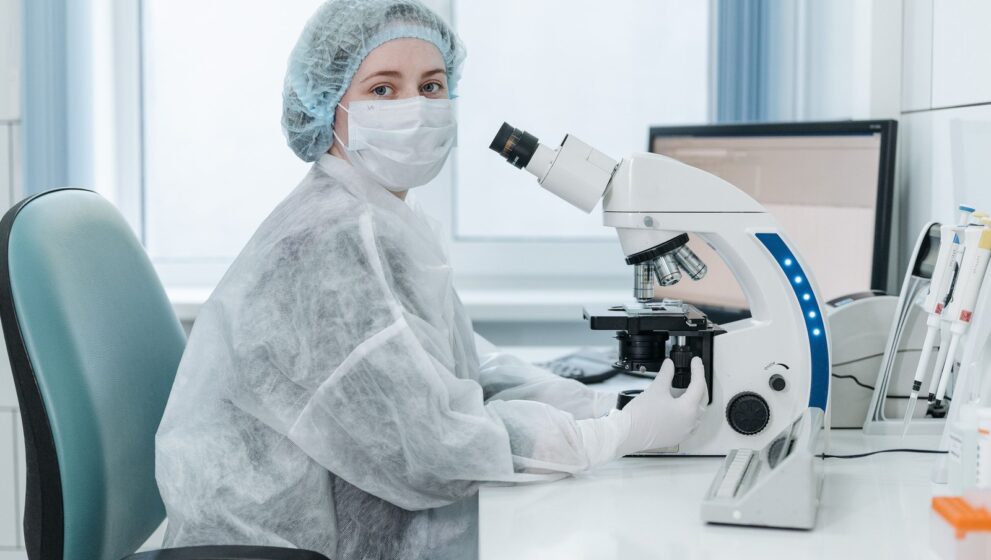
A first visit to a fertility centre in Kuala Lumpur is usually a consultation, not a decision to start IVF on the same day. The appointment typically covers medical history, fertility goals, and which tests, including a semen analysis or a DNA fragmentation test, are needed before any treatment is discussed.
What a first visit usually covers
KL Fertility’s Damansara centre describes a first visit as a chance to review medical history and fertility goals, and to discuss initial tests or treatment. Cycle timing can matter for some investigations, so ask when in the month the appointment should fall, and what you should bring, such as earlier blood results, surgery notes or a medicine list.
The World Health Organization’s fact sheet on infertility defines infertility in clinical terms and sets out why assessment, not a single test, is the starting point. This article is informational only. It does not promise a pregnancy, a cure, or a particular clinic outcome, and it does not rank centres.
Ask who will be in the room, how results will be explained, and how soon you should expect a follow-up. A useful first visit leaves you with a short written plan: which tests come first, roughly when they can be done, and what would trigger a discussion of treatment later.
Semen analysis and DNA fragmentation results, in plain terms
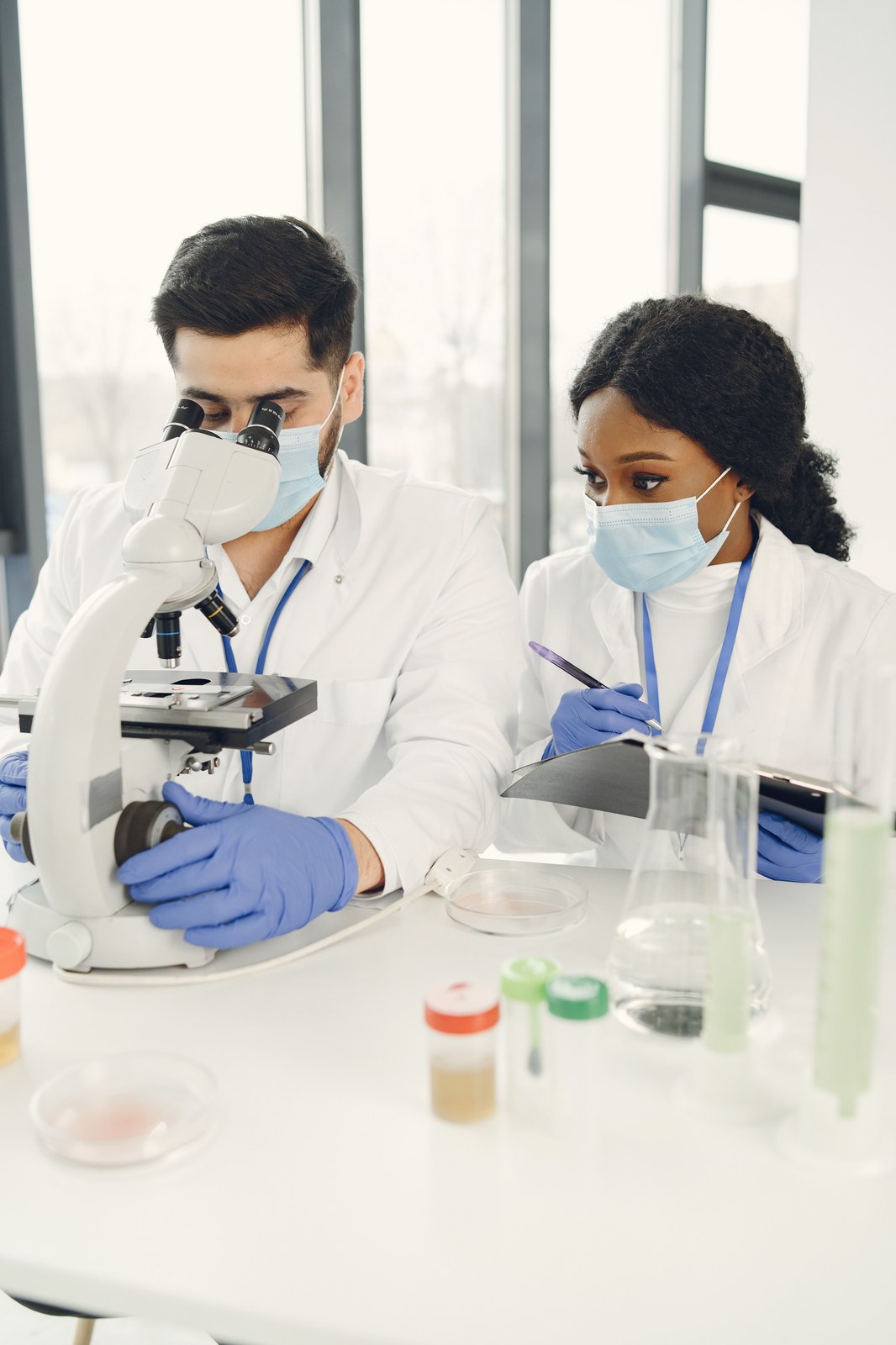
A semen analysis looks at volume, concentration, motility and shape, among other measures. Laboratories often compare results with reference limits from the World Health Organization laboratory manual. Editions of that manual have changed over time, so ask which edition the centre is using, and do not assume a printed sheet still matches the current manual.
DNA fragmentation is a separate test that looks at the proportion of sperm with damaged DNA, often reported as a DNA fragmentation index. Cut-off bands quoted by a centre are that centre’s way of grouping results. They are not a universal official standard, and they do not, on their own, predict whether a pregnancy will occur.
The centre’s notes on sperm testing and DNA fragmentation describe semen-analysis parameters and a DNA fragmentation index grouping. Read those notes as one clinic’s explanation, then ask your clinician how your own figures will be interpreted beside other tests, including tests for the other partner.
If a technique such as microfluidic sperm sorting is mentioned in general reading, ask whether it is actually offered, and what evidence the centre uses to recommend it. Do not assume it is part of a standard semen-analysis package.
How IVF sits in that pathway
In vitro fertilisation is one treatment option after assessment, not the automatic next step after a first visit. The NHS page on IVF outlines a typical sequence: medicines to stimulate the ovaries, egg collection, sperm preparation, fertilisation in the laboratory, embryo transfer, and a pregnancy test about two weeks after transfer.
The centre’s IVF treatment page describes a similar outline, including a stimulation period of about 10 to 14 days, transfer a few days after fertilisation, and a later pregnancy test. Fresh and frozen embryo transfers are both used in practice.
Add-on procedures such as ICSI, genetic testing of embryos, or assisted hatching may be discussed in some cases. Ask why any add-on is being suggested for you, what it costs, and what it cannot guarantee.
A short film from the UK’s Human Fertilisation and Embryology Authority on possible complications during IVF. It is general regulator guidance, not a prediction of any one centre’s results.
The HFEA also publishes a public page on in vitro fertilisation that explains the treatment in plain language. Official success figures, where they exist, are usually reported for groups of patients and are not a personal guarantee. A centre’s own headline statistics should be read with the same caution, including any ranking language on a homepage.
Questions to ask about costs, timing and next steps
Ask for a written breakdown of the consultation, the tests, a standard IVF cycle if one is being considered, and any add-ons. Some Malaysian patients look at EPF withdrawal or tax relief for fertility treatment, but eligibility is set by official rules, not by a clinic brochure. Check those rules yourself before you count on them.
Also ask about opening hours, how results are delivered, and how quickly a follow-up can be booked if a result is unclear. A first visit has done its job if you leave with a test plan you understand, not with pressure to start treatment the same week.
Frequently asked questions
Does a DNA fragmentation result decide whether IVF will work?
No. It is one piece of information beside other tests and a full clinical history. Ask how your result will be used, rather than treating a cut-off band as a verdict.
Is IVF the usual next step after a first visit?
Not necessarily. Many first visits end with tests and a later review. Treatment is a separate decision once those results, and your own goals, have been discussed.
What does a first visit usually cover?
It is usually a consultation to review medical history and fertility goals, and to discuss which tests are needed, including a semen analysis or a DNA fragmentation test, before any treatment is decided.
How should I think about costs, EPF withdrawal or tax relief?
Ask for a written breakdown of the consultation, the tests and any treatment being considered. Eligibility for EPF withdrawal or tax relief is set by official rules, not by a clinic brochure, so check those rules yourself.
