

Meal Replacement in Malaysia: Reading Labels Before You Swap a Meal
 admin on

What a meal replacement is supposed to do
A meal replacement is a shake, bar or powder designed to stand in for a full meal, with a planned mix of protein, carbohydrate, fat, vitamins and minerals. That is different from a protein shake, which mainly adds protein, and different again from a slimming supplement, which usually promises to change appetite or metabolism. Mixing up these three categories is where most confusion in Malaysia starts.
Used sensibly, a meal replacement is a convenience tool. It can help on chaotic workdays when the alternative is skipping lunch or grabbing fried snacks. It is not magic, and it does not replace learning how to eat ordinary food well. If you want background on how brands frame this, this overview of nutrition-led weight management explains the thinking behind swapping one meal rather than all of them.

Label lines worth reading twice
Flip the tub around and ignore the front for a minute. Check the serving size against the calories and protein per serving, because some products look generous until you notice the scoop is tiny. Look at the sugar line and where sugar sits in the ingredient list. Check the fibre, since fibre is a big part of feeling full.
Then look for the registration or notification details. In Malaysia, the National Pharmaceutical Regulatory Agency maintains information on registered and notified products, and checking a product against its records takes a few minutes. Food-category items fall under food regulations instead, so do not panic if a shake is not on a pharmaceutical list. The point is to know which category you are buying.
Also check the protein source if you have allergies or dietary rules. Whey, soy and pea protein all behave differently, and halal certification matters to many buyers here.
Where slimming supplements fit, and where they do not
Slimming capsules and teas sit in a different space. Many contain caffeine, green tea extract, fibre blends or herbal ingredients, and the evidence for most of them is thin. The US Office of Dietary Supplements has a readable fact sheet that goes ingredient by ingredient and is honest about what is unproven.
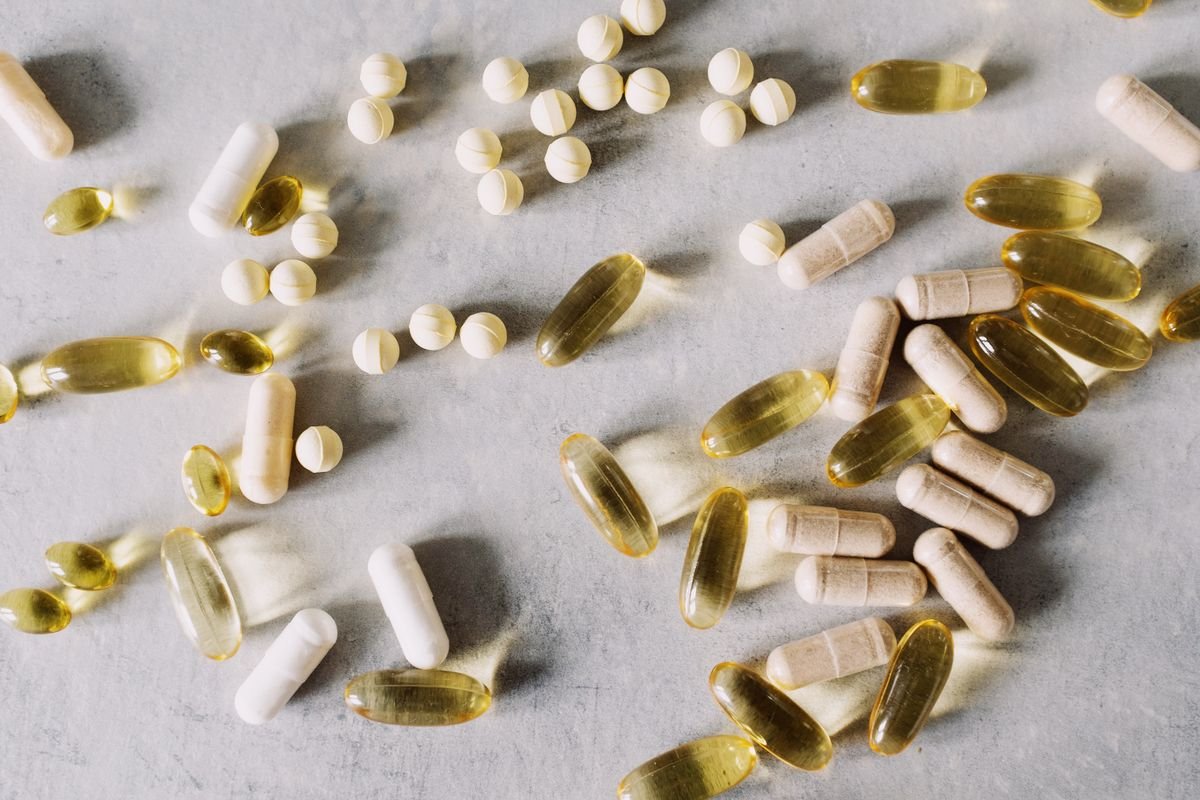
Browsing a typical supplement collection page is a good exercise in label reading. Notice which claims are specific and which are vague. Phrases like “burns fat fast” or “no exercise needed” are a reason to slow down, not speed up. Anyone who is pregnant, on regular medication or managing a health condition should talk to a doctor or pharmacist before trying any slimming product.
A short explainer on how meal replacement shakes differ from protein shakes and what to look for.
Skin brightening claims deserve the same scepticism
Wellness shelves often sell weight and skin in the same breath. Brightening drinks and capsules usually lean on antioxidants, collagen or vitamin C, and the language can drift into promises that no product can keep. Sunscreen, sleep and steady habits still do most of the visible work.
If you are curious about the category, a guide to choosing brightening products is a sensible place to learn which ingredients are commonly used. Read it with the same questions you would ask of a meal replacement: what is in it, how much, and what does the evidence actually say?
A two-week reality check
If you decide to try a meal replacement, treat it as a small experiment rather than a transformation plan. Replace one meal you normally struggle with, keep the others as real food, and jot down hunger, energy and mood each day. Harvard’s Nutrition Source is a good reminder that long-term weight is shaped by overall eating patterns, sleep and movement, not a single product.
After two weeks, look at your notes honestly. If the shake made a busy routine easier, it may have a place. If you felt hungry and irritable by mid-afternoon, it probably does not, and that is useful information too.
