

Project, Soft or Solar Financing for Malaysian SMEs
 admin on

Not every business loan is built the same way
Ask a Malaysian SME owner how they funded their last big purchase and you will hear a mix of answers: a term loan from the bank, a hire purchase for the lorry, money from a family member, or a government linked scheme someone mentioned at a trade fair. Each has its own logic, and picking the wrong structure can squeeze cash flow for years.
Three types come up often for growing firms: funding tied to one specific project, concessionary or soft schemes meant to push a policy goal, and financing for rooftop solar. This article explains how each works, who it suits, and what to prepare before you talk to a lender.
Funding that rests on the project, not the whole company
With a normal term loan, the bank looks at your whole balance sheet. Project based funding works differently. The lender looks mainly at one initiative, such as a new plant, a construction contract or a big equipment line, and asks whether that initiative will produce enough cash to repay. The project’s assets, contracts and expected income act as the main security.
This approach suits businesses that have won a large job but do not yet have the balance sheet to match it. It is not quick. Lenders will want feasibility studies, signed contracts, cost breakdowns and a realistic timeline. MIDF has a plain guide to how lenders size funding around one project’s cash flow that is worth reading before your first meeting, mainly so you know which documents to gather.

Soft schemes: cheaper money with conditions attached
A soft scheme usually means a lower rate, a longer tenure or a smaller deposit than a commercial loan, offered because the government wants SMEs to do something specific. In recent years that has included automation, e-commerce and digital tools.
The catch is eligibility. Schemes often require SSM registration, a minimum period in operation, a minimum annual turnover and a majority Malaysian shareholding, and they may only cover certain items such as machinery, IT hardware or software. Read the terms of a concessionary scheme for digital and automation upgrades to see how detailed these rules can be. If your plan is mostly working capital with a token laptop purchase, it may not fit.
The Association of Banks in Malaysia, whose members are the commercial banks operating in Malaysia, also publishes industry updates on SME support, which helps when you are comparing what commercial lenders offer against targeted schemes.
Under six minutes on how project finance differs from ordinary corporate lending.
Rooftop solar: paying for panels out of the savings
For factories and warehouses with large roofs and daytime power use, solar can cut electricity bills noticeably. The upfront cost is the obstacle, which is why dedicated green financing exists. The basic idea is that the monthly instalment should sit close to, or below, the amount the panels save.
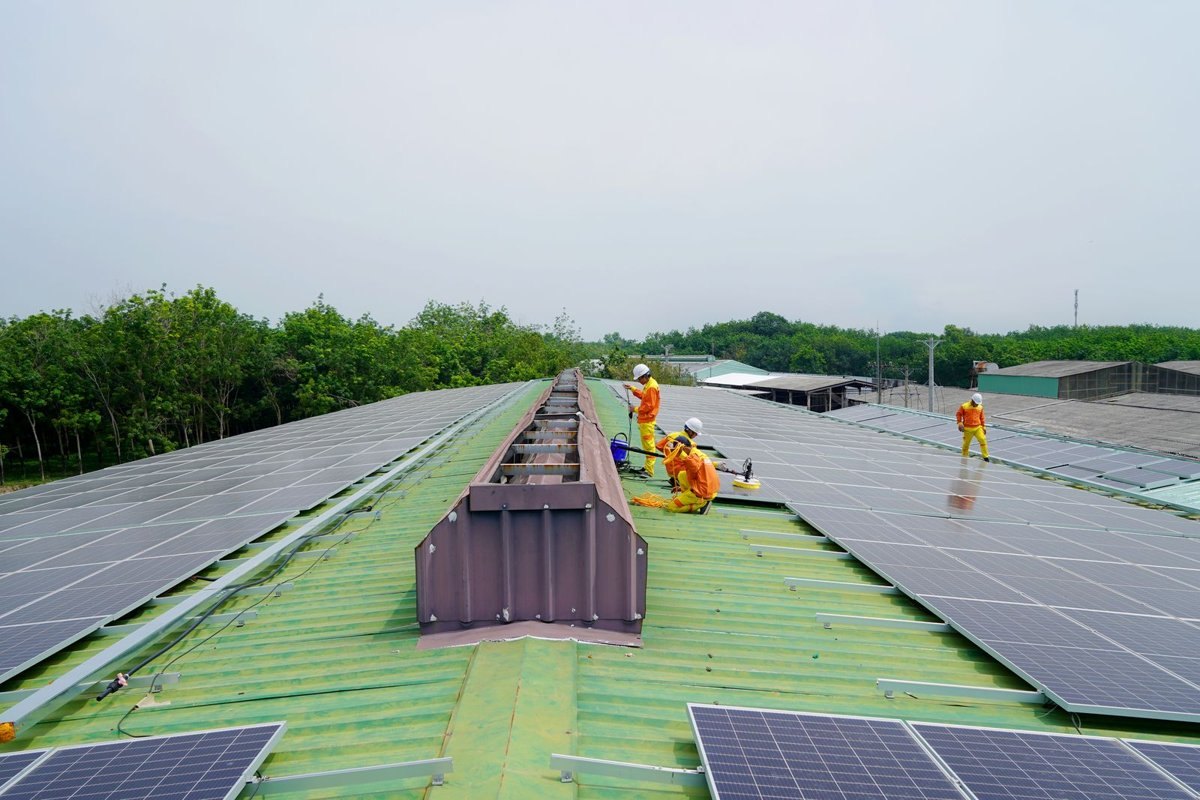
Before you apply, understand how your exported power is credited. SEDA explains the Net Energy Metering programme, where solar power is used on site first and excess goes to the grid to offset part of the bill. Also look at the Green Technology Financing Scheme, which offers a government guarantee and an interest rebate on qualifying green projects. Lenders such as MIDF’s rooftop PV programme set their own eligibility, often including years in operation and Malaysian equity.
Getting ready, whichever route you choose
Whatever type you lean towards, the same homework applies. Prepare two years of accounts, recent bank statements, an honest cash flow forecast and quotes from suppliers or installers. Work out the total cost over the full tenure, not only the headline rate. And ask what happens if the project runs late or the savings come in lower than expected.
A sensible first step this quarter is to list the one investment that would most change your business, then match it to the structure that fits: one project, one policy goal, or one energy upgrade.
